Hotel Restaurants are Different
Why creating a hotel restaurant is not the same as building a standalone restaurant?
Most people think a hotel restaurant should be easier to run.
The guests are already in the building. The location is often strong. The space is usually impressive. The hotel has a brand, a team, a kitchen and a reason for people to be there.
So why is it so hard for hotel restaurants to feel relevant?
Because a hotel restaurant is not a standalone restaurant with bedrooms attached.
It is a different business entirely.
A standalone restaurant usually has one focus. One front door. One core audience. One reason to visit. One rhythm to the day. It can build its menu, service, design, pricing and marketing around a clear idea.
A hotel restaurant has more to carry.
It may need to serve breakfast to residents, coffee to meeting guests, lunch to local workers, afternoon tea to leisure visitors, dinner to non-residents, drinks in the lobby, room service upstairs and private dining behind the scenes.
Sometimes from the same kitchen.
Sometimes with the same team.
Sometimes in the same space.
That does not make hotel restaurants weaker. It makes them more complex.
And that complexity is exactly why they need a different kind of thinking.
The high street has an advantage.
Standalone restaurants are often seen as cooler, sharper and more exciting.
In many cases, they have an unfair advantage.
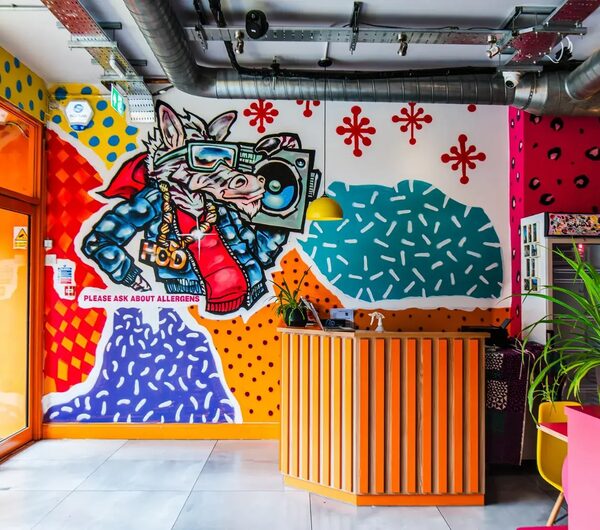
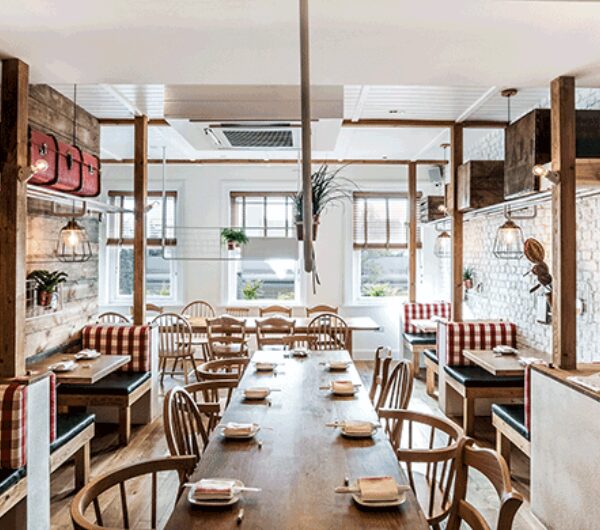
They sit on the street. They have a clear entrance. They can dress the windows. They can use signage, menus, planting, lighting and music to show people exactly who they are before a guest has even stepped inside.
That matters.
People make quick decisions. They look for visual cues, social proof, a clear offer and a reason to stop.
Many hotel restaurants hide those signals.
The entrance is unclear. The name feels too connected to the hotel. The terrace looks like it is only for residents. The lobby becomes a barrier. The menu is not visible. The restaurant may be good, but the guest is not sure whether they are allowed in.
A standalone restaurant has to win from the street.
A hotel restaurant often has to explain that it can be used by the street.
That is a very different challenge.
Prime real estate is not enough.
Many hotels have incredible locations.
Beautiful buildings. Strong footfall. Busy neighbourhoods. Captive hotel guests. Expensive corners of the city.
But location does not create demand on its own.
A hotel restaurant still needs a clear identity. It needs to be legible from the outside. It needs to make sense to locals, residents, visitors and guests. It needs to give people a reason to choose it, not just notice it.
This is where too many hotel restaurants fall into the middle.
- Too safe to become a destination.
- Too generic to build local loyalty.
- Too connected to the hotel to feel independent.
- Too broad to be remembered for anything.
The answer is not to copy the high street.
The answer is to understand what the high street does well, then adapt that thinking to the realities of the hotel.
A hotel restaurant has more jobs to do.
A standalone restaurant can build a world around one idea.
A wine bar can be a wine bar. A bakery can be a bakery. A pasta restaurant can be a pasta restaurant.
A hotel restaurant has to work harder.
It has to support the hotel brand, the owner’s commercial expectations, the guest promise, the local market, the building, the operation and the team delivering it every day.
That does not mean it should be bland. It means the concept has to be clearer.
The strongest hotel restaurants know their role. They understand what breakfast needs to do. They know whether lunch is for locals, residents, meetings or passing trade. They know if dinner should become a destination or support the bedrooms. They know how the bar changes the energy of the lobby. They know what the terrace needs to signal.
They know when to behave like a restaurant.
And when to behave like a hotel service.
That is not decoration. That is strategy.
At Foxhills Hotel & Country Club, The Manor House showed this challenge clearly.
The space had to work hard during the day. It needed to serve breakfast. It needed to support conference lunches. It needed to become a place for afternoon tea. These were important hotel functions, but they conflicted with the opportunity to be bolder at dinner.
The answer was not to force one identity to do everything.
The strategy was built around The Manor House itself.
By day, the space worked as the restaurant within The Manor House. Functional, elegant and focused on hotel guests, members and conference use.
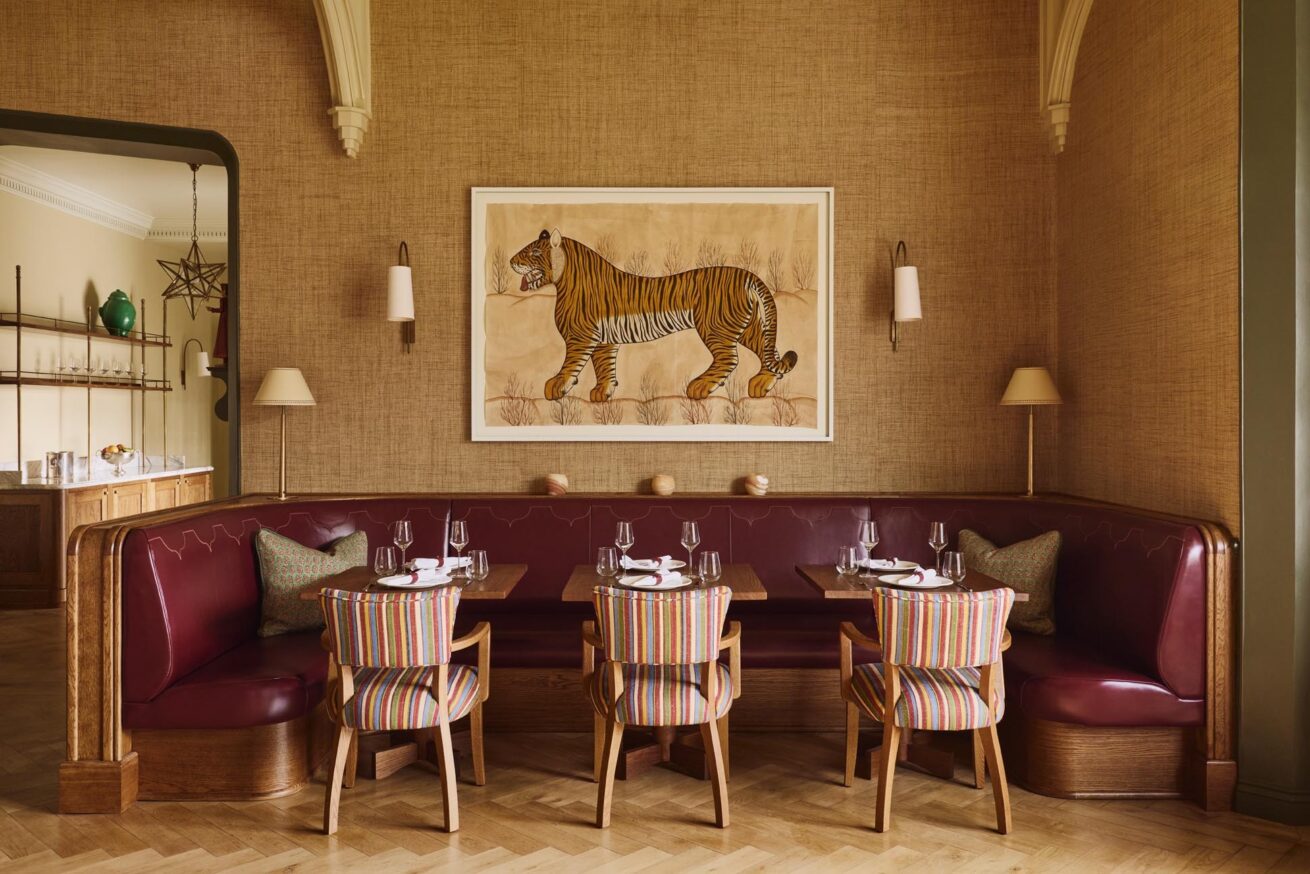
By evening, it became Lomri. A restaurant with its own name, its own identity and its own reason to exist. An Indian restaurant celebrating the spice ports of India, designed to feel more distinctive, more confident and more destination-led.
Same space.
Different purpose.
Focused messaging.
That is the kind of thinking hotel restaurants need. Not one vague concept trying to stretch across every day part, but a clear strategy for how the space changes role, audience and energy.
The operation matters as much as the idea.
A good idea is not enough.
Hotel restaurant profitability is shaped by the operating model behind it.
Breakfast affects the kitchen. Room service affects prep. Events affect labour. Brand standards affect product. Storage affects menu design. Team structure affects service. Guest mix affects pricing. Opening hours affect margin.
This is where copied restaurant concepts start to break.
The food may be good. The design may be strong. The name may work.
But if the concept does not fit the hotel operation, the cracks show quickly.
Service slows down. Menus grow too wide. Teams get stretched. Margins weaken. The guest journey becomes unclear. The restaurant loses confidence because it is trying to solve too many problems at once.
Hotel F&B works best when concept, menu, labour, kitchen, space, service and commercial strategy are designed together. Not separately.
The opportunity is bigger than most hotels realise.
This is the point hotel owners and developers should not miss.
The complexity of hotel restaurants is not a reason to lower ambition.
It is the reason to take them more seriously.
A great hotel restaurant can do more than serve guests. It can change how the whole hotel feels. It can bring energy to the lobby. It can attract locals. It can increase dwell time. It can drive non-resident revenue. It can support bedroom sales. It can turn underused space into a stronger commercial asset.
But only if it is treated as a proper business.
Not an amenity. Not a leftover space. Not a brand standard. Not a restaurant idea dropped into a hotel and expected to work.
At Auden, this is where our thinking is shaped. We have worked inside hotels, opened restaurants and grown high-street businesses. We understand the freedom standalone operators have, and we understand the pressure hotel teams carry.
Hotel restaurants should not simply copy standalone restaurants.
They should learn from them. Then build something that fits the hotel, the guest and the numbers.
Read about Westmont Hotels Group.
Westmont Hotels Group
What hotel owners and developers need to get right.
Define the role before the concept. Is the space a destination restaurant, a local all-day venue, a breakfast engine, a lobby activator, a social hub or a commercial anchor?
Make it easy to understand from the outside. Guests need to know what it is, where to enter, whether they are welcome and why they should stop.
Build for different guest states. A resident at breakfast, a local at dinner and a tourist looking for coffee are not behaving in the same way.
Connect the idea to the operation. Menu, labour, prep, service, equipment, room service and events all shape whether the restaurant can work.
Give the restaurant permission to have a point of view. Hotel restaurants do not need to be safer. They need to be clearer.
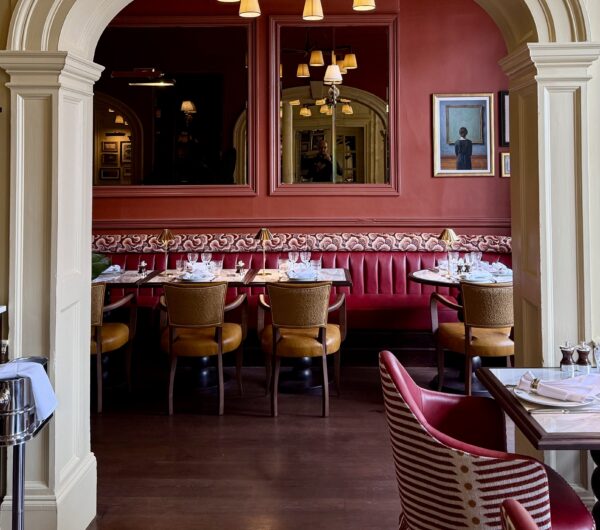
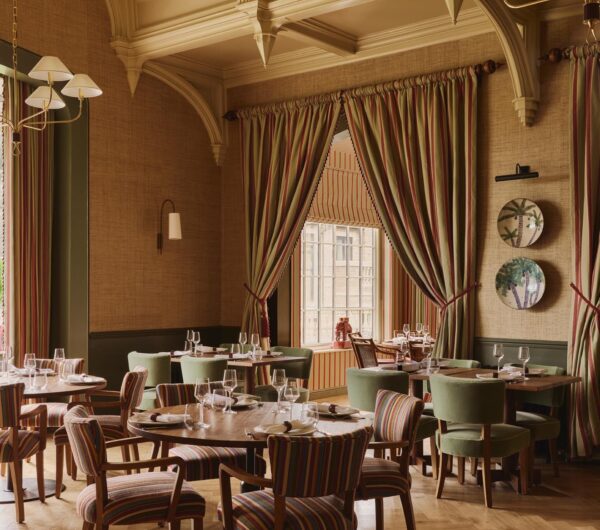
Different is the advantage.
A standalone restaurant has focus, freedom and street identity.
A hotel restaurant has audience, context, infrastructure, brand value and a bigger role to play.
The opportunity is not to make hotel restaurants feel like standalone restaurants.
The opportunity is to understand what makes them different, then build food and beverage spaces that use those differences properly.
That is when hotel F&B becomes more than a support function.
It becomes a reason to visit, a reason to stay and a reason for the hotel to matter more.
More of what we’re talking about.