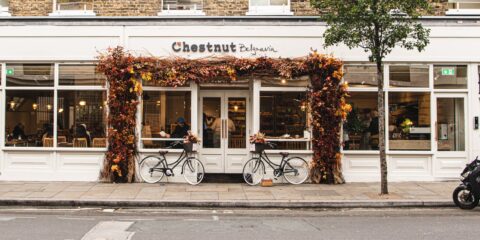
Why Tourist and Destination Restaurants Are Different
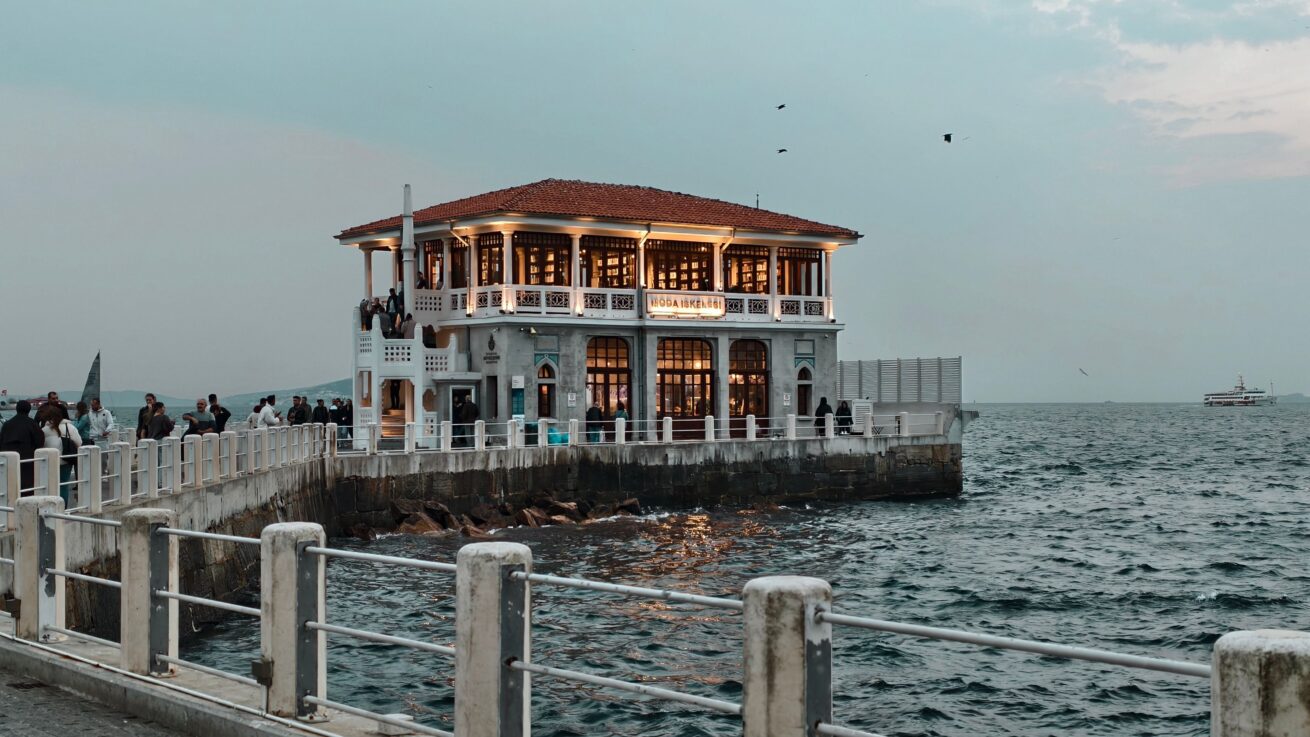
The guest may be hungry, but they are not always making the same decision.
Not every restaurant guest arrives with the same mindset.
Some guests have chosen you before they reach the front door. They have followed you on social, read the reviews, heard the recommendation, checked the menu and decided your restaurant is worth the journey.
Others are walking past with tired legs, limited time and a fear of wasting one of their few meals away.
These are not the same decision.
One is built on desire.
The other is built on reassurance.
That difference matters.
Because if hotels want their restaurants, bars, cafés and lounges to work harder, they need to understand how each guest is choosing.
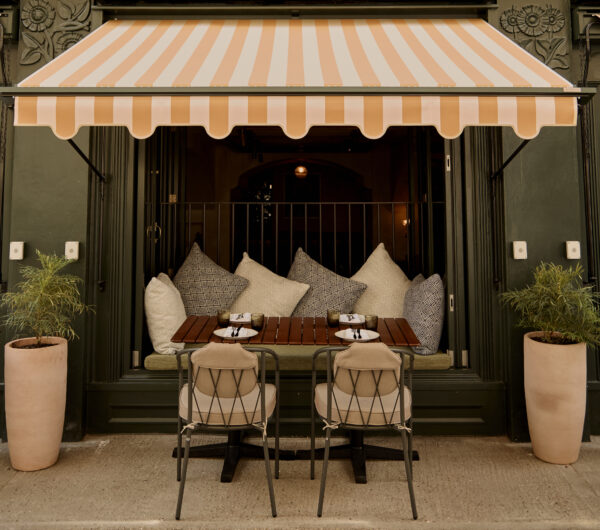
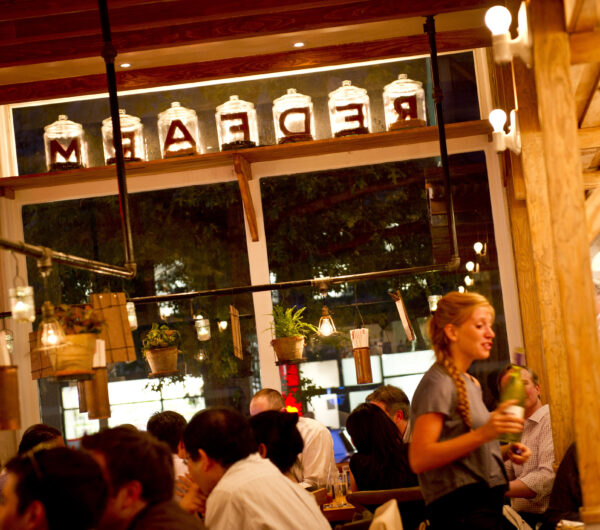
The destination guest already believes
A destination restaurant is rarely chosen in the moment.
The guest has usually built a relationship with the brand before they book. They have seen the food. They understand the style. They have heard the story. They may have been watching for a while.
By the time they arrive, they are not asking, “Should we go here?”
They are asking, “Will it be as good as I hoped?”
That changes the pressure.
The job is no longer to convince them to come in. The job is to reward the decision they have already made.
This is where expectation becomes dangerous.
Destination guests want the experience to confirm their choice.
If the promise is strong, the delivery has to be stronger. The welcome, the first drink, the menu explanation, the pacing, the dish they came for, the detail they did not expect. All of it matters. Great destination restaurants go further. They make the guest feel like they found something worth talking about.
The tourist guest is trying not to make a mistake
Tourist restaurants work differently.
The tourist may have seen you on Google before they arrived. They may have saved you on a list. They may have glanced at your photos or skimmed a few reviews.
But often, the final decision happens much closer to the moment.
They are asking different questions.
- Will this be good?
- Will it suit everyone?
- Will it feel too formal?
- Will it be too expensive?
- Will we waste part of our trip coming here?
That is the psychology of tourist dining. The guest has limited time, unfamiliar surroundings and more risk in the decision.
A local can come back next week. A tourist may only have tonight. So the restaurant has to work harder, faster.
It has to grab attention during the research stage and again at the front door. It has to remove doubt. It has to make the decision feel easy.
That does not mean making the restaurant bland. It means making it clear.
Destination restaurants sell belief. Tourist restaurants sell certainty.
This is the simplest way to think about it.
Destination restaurants sell belief. Tourist restaurants sell certainty.
A destination guest is more willing to follow the brand into something new because trust has already been built. They want story, originality, identity and a sense of discovery.
A tourist guest needs faster clarity. They may still want charm, quality and local character, but they need to understand the offer quickly.
- What do you serve?
- What does it feel like?
- Is it open?
- Is it lively?
- Is it relaxed?
- Is it worth stopping for?
Too many hotel restaurants fail here.
Not because the food is bad. Because the guest cannot work out what the restaurant is.
The name is vague. The menu is hidden. The entrance feels closed. The windows say nothing. The terrace has no energy. The Google profile is weak. The photography does not show the experience.
That is not a marketing issue. That is an F&B strategy issue.
Learn more about Strategy
Market Research & Strategy
Stop asking if you are a destination restaurant
Many hotels ask the wrong question.
- “How do we become a destination restaurant?”
- The better question is:
- “What decision are we asking the guest to make?”
If you want someone to cross town, book ahead and commit their evening to you, you need a destination strategy. Brand, story, reputation, anticipation and service moments that justify the journey.
If you want a tourist to choose you while walking past, you need an attention strategy. Clear menus, visible energy, good photography, strong Google presence and a front door that tells the truth quickly.
If you want a hotel guest to stay in rather than go out, you need a convenience strategy that does not feel like compromise.
Different guests are not just different demographics. They are different decisions.
A simple checklist for destination guests
Before building a destination restaurant strategy, ask:
- Is there a clear reason to travel?
- Can someone describe the concept to a friend?
- Does the brand build curiosity before arrival?
- Do the website, social channels and reviews set the right expectation?
- Does the service reward the guest for choosing us?
- Is there a moment worth remembering, sharing or recommending?
- Does the experience feel better in real life than it looked online?
- Would someone talk about us without saying, “It’s the restaurant inside the hotel”?
Destination restaurants need more than quality. They need pull.
A simple checklist for tourist guests
Before building a tourist restaurant strategy, ask:
- Can the guest understand us from across the street?
- Does the entrance feel open and welcoming?
- Is the menu visible and easy to understand?
- Do our Google photos show the food, room and atmosphere properly?
- Do our reviews reduce doubt?
- Is the pricing clear?
- Does the kerb appeal give people a reason to stop?
- Does the restaurant look alive at the moment tourists are choosing where to eat?
- Can a couple, family or group quickly work out if this is right for them?
Tourist restaurants need more than quality. They need confidence.
Know the decision before you build the strategy
This is the real point.
A restaurant strategy should not start with the menu, the name or the moodboard. It should start with the guest decision.
- Who are they?
- When are they choosing?
- What do they already believe?
- What are they worried about?
- What would make them stop?
- What would make them book?
- What would make them stay?
- What would make them recommend?
The answers should shape the concept, menu, service style, photography, signage, kerb appeal, daypart strategy and commercial model.
A destination restaurant and a tourist restaurant can both be strong, but they can’t be built from the same assumptions.
One needs to deepen expectation. The other needs to remove hesitation.
Both need a strategy that understands the guest before asking them to choose.
More of what we’re talking about.