Make every service count: Hotel F&B operations FAQs.
Help your team deliver hospitality guests remember, with an operation that performs.
By Auden Hospitality | November 2026
A busy restaurant should leave more than an exhausted team. Guests should leave wanting to return. Your people should know they delivered a good service. The business should have something to show for it.
At Auden Hospitality, we look at the experience and the operation together. What guests buy. How the menu performs. Where the team loses time. How managers lead. What is left after the cost of delivery.
That is what we mean by Make Every Service Count. These FAQs explain how operational reviews, commercial thinking, training and service culture can help your hotel F&B perform.
What does operational excellence mean in hotel F&B?
Operational excellence in hotel food and beverage means creating an operation that delivers a great guest experience consistently, supports the team and performs commercially.
You see it in the details. Coffee arrives while it is still hot. The team knows the menu. The kitchen can handle the orders the restaurant is taking. Managers spot a problem before it becomes the guest’s problem.
At Auden Hospitality, we connect those details with the performance behind them. Make every service count means giving guests a reason to return and making sure the business can afford to keep delivering it.
What is a hotel F&B operational review?
A hotel F&B operational review examines how the offer performs in practice, where it falls short and which changes would make the biggest difference.
Depending on the agreed scope, Auden can review trading information, menus, service delivery, team deployment, workflows, guest feedback and management routines. Watching service helps explain what the numbers alone cannot.
The outcome should be a clear set of priorities, with practical actions, responsibilities and measures. Your team needs to know what to change and why it deserves their attention.
When should a hotel bring in operational support?
Bring in operational support when the guest experience, team workload or commercial results are falling short, or when a change in the business needs a clearer operating plan.
That might mean a busy restaurant with disappointing profit, repeated complaints about slow service, inconsistent standards between shifts or managers spending every day reacting to the same problems.
A new menu, refurbishment or change in leadership can also be a useful moment to review how the operation works. You do not need to wait until the problems become a crisis.
A busy restaurant should leave more than an exhausted team.
How can Auden help improve hotel F&B profitability?
Auden can help identify where hotel F&B earns money, where value is being lost and what needs to change across the offer and its delivery.
That can involve reviewing sales mix, pricing, purchasing, waste, opening hours, labour deployment and the contribution of different outlets or occasions. We look at revenue and the cost of delivering it together.
A full restaurant can still leave very little behind. Equally, removing labour or reducing quality can damage the reasons guests choose you. The opportunity is to understand what creates value, then organise the operation to deliver it well.
We agree priorities around your business. Improvements should be tested against guest response, team delivery and financial results.
What is menu engineering and how can it improve performance?
Menu engineering examines what sells and what each item contributes, then uses that evidence to improve the menu’s commercial performance.
Sales volume, selling price and recipe cost are useful starting points. Preparation time, waste, equipment constraints and pressure on the kitchen also matter. A dish with an attractive food margin may create a bottleneck that slows the whole service.
Auden can help review menu performance, pricing, range and how the offer is presented. The aim is a menu guests want to order, the kitchen can deliver and the business can sustain.
Can Auden help improve service without increasing labour costs?
Auden can help review whether the team’s time is being used effectively and where better organisation could improve service within the existing resource.
We look at demand by occasion, rotas, team roles, preparation, service steps and the movement between kitchen, bar and floor. A missing preparation task or an awkward collection point can consume time throughout a shift.
Sometimes the answer is clearer responsibilities, better training or a simpler process. Sometimes the offer needs more resource to deliver what it promises. The review should make that trade-off clear rather than assume every service problem can be solved with fewer people.
How does Auden approach hospitality training?
Auden builds hospitality training around the experience the business wants to deliver and the skills the team needs on the floor.
That can include service delivery, product knowledge, guest conversations, service recovery, recommending food and drink, and manager coaching. The content should reflect the venue, its guests and the situations the team actually encounters.
Practice matters. A team member needs the chance to describe a dish, handle a difficult conversation or rehearse a handover, with useful feedback. Managers then need a way to reinforce that learning through briefings and coaching during normal service.
Improvement needs a place in the management routine.
What is service culture and why does it matter?
Service culture is the shared behaviour that shapes how people look after guests and support each other, especially when nobody is reminding them what to do.
Standards help, but the team also needs to understand the purpose behind them. Managers set the tone through what they notice, what they coach and the behaviour they recognise.
If a waiter sees a guest looking for help, do they step in or assume it belongs to another section? If something goes wrong, does the team work together to put it right? Those everyday decisions tell you more about the culture than a poster in the staff room.
Can operational support help increase guest spend?
Yes. Operational support can help hotels identify relevant opportunities to increase guest spend through the offer, its visibility and the confidence of the team.
That might mean making breakfast easier to book, presenting a clear reason to stay for dinner, improving drinks recommendations or helping the team explain an upgrade.
A useful recommendation starts with what the guest wants. Someone choosing a celebration dinner needs a different conversation from someone grabbing a quick lunch. Track conversion and average spend alongside feedback and contribution, so you can see whether the change adds value.
How is operational support different from an operations toolkit?
Operational support looks at what is happening in the business and helps the team improve it. An operations toolkit provides the standards, procedures and training materials used to deliver the agreed approach.
The two can work together. A review may reveal that handovers are failing because responsibilities are unclear. Support helps redesign the handover, coach the managers and check the result. A toolkit records the process so it can be trained and repeated.
Auden can shape the work around what you need. Some operations need clearer guidance. Others already have the documents and need help putting them into practice.
Let's put the answers to work.
Explore how Auden’s manuals and toolkits turn operational thinking into practical tools your team can use every day.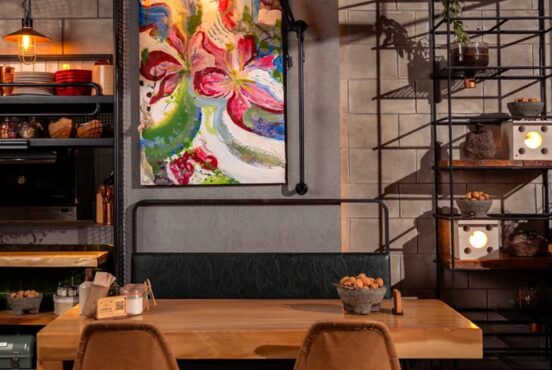
Can Auden work alongside our existing hotel and F&B management team?
Yes. Auden can work alongside hotel leadership, chefs, F&B managers and the wider team to identify issues and develop practical improvements.
The people running the operation know where service gets difficult. Their experience should inform the work, alongside guest feedback, trading evidence and an outside view.
We agree the scope and responsibilities around the project. Recommendations need to fit the site, the resources and the people who will carry them forward. Clear ownership helps turn an action plan into something that happens between services.
How do you measure whether operational improvements are working?
Measure operational improvements against a clear starting position and the specific problem each change is intended to solve.
Relevant measures can include revenue, covers, average spend, resident conversion, food and beverage cost, waste, labour productivity, profit contribution and guest feedback. Service observations and team feedback help explain what is changing.
If the priority is breakfast queues, look at waiting times and service capacity as well as sales. If it is dinner profitability, look at contribution alongside demand and guest response. Allow for changes in occupancy, seasonality and trading mix when comparing results.
Agree who owns each action, when it will be reviewed and what would justify adjusting it. Improvement needs a place in the management routine.
Make your next service better.
Start with what needs to change. The queue that forms every morning. The menu that sells well but leaves too little. The team that works hard without the guidance it needs.
We help you understand what is happening, choose the priorities and give the team a practical way forward.
Make every service count.
Tell us where the pressure is and what better would look like. Let’s make every service count.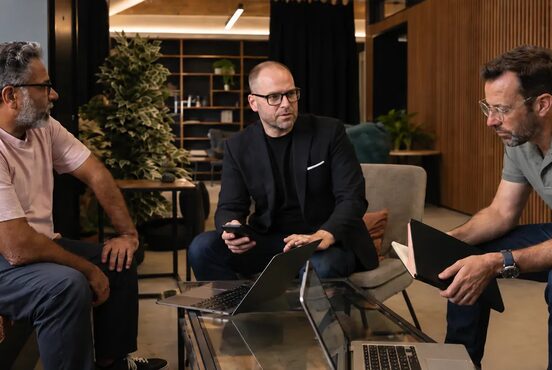
More of what we’re talking about.