Breakfast is an occasion. Is yours worth getting up for?
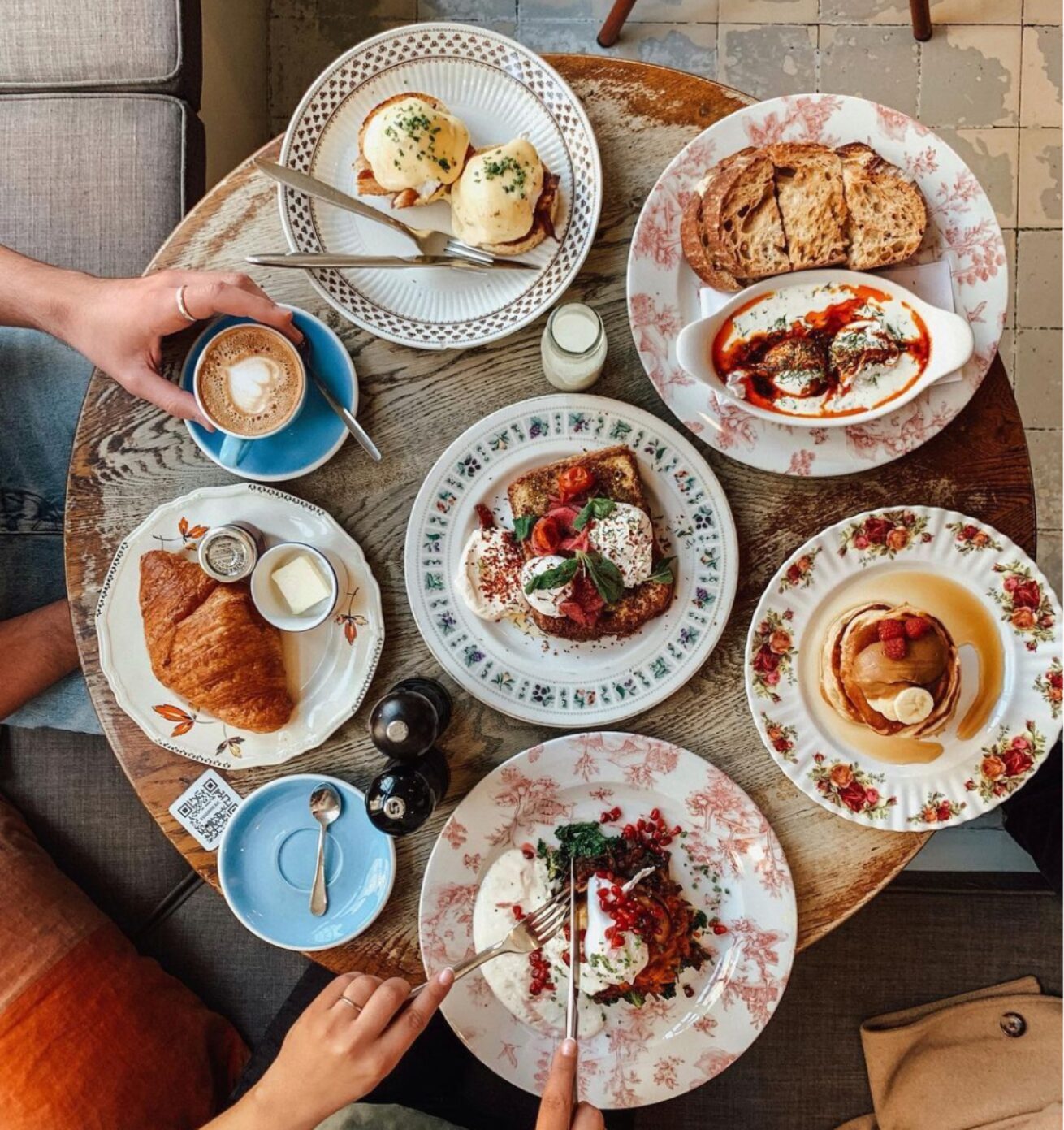
A buttery croissant worth crossing town for. Pancakes the kids talk about all day. Coffee that brings people back. Your guests already make plans around breakfast. The question is whether those plans include your hotel.
By Auden Hospitality | November 2026
Breakfast can be what a guest looks forward to before they arrive and, more importantly, what they talk about after they leave. It can bring locals through the door and give a family another reason to book.
Yet hotel breakfast conversations so often start somewhere else. Allocations. Brand standards. How many items fit on the buffet. How much it all costs.
Those pressures matter. So does giving guests a reason to want breakfast in the first place.
That was the thinking we took to the Northern Ireland Hotels Federation’s Hospitality Exchange 2026 in Belfast. Our founder, Scot Turner, explored how breakfast could become an occasion guests choose, how the changing guest should be changing our thinking and creating those moments that guests can tell others about, all by answering the question;
What occasion are you serving?
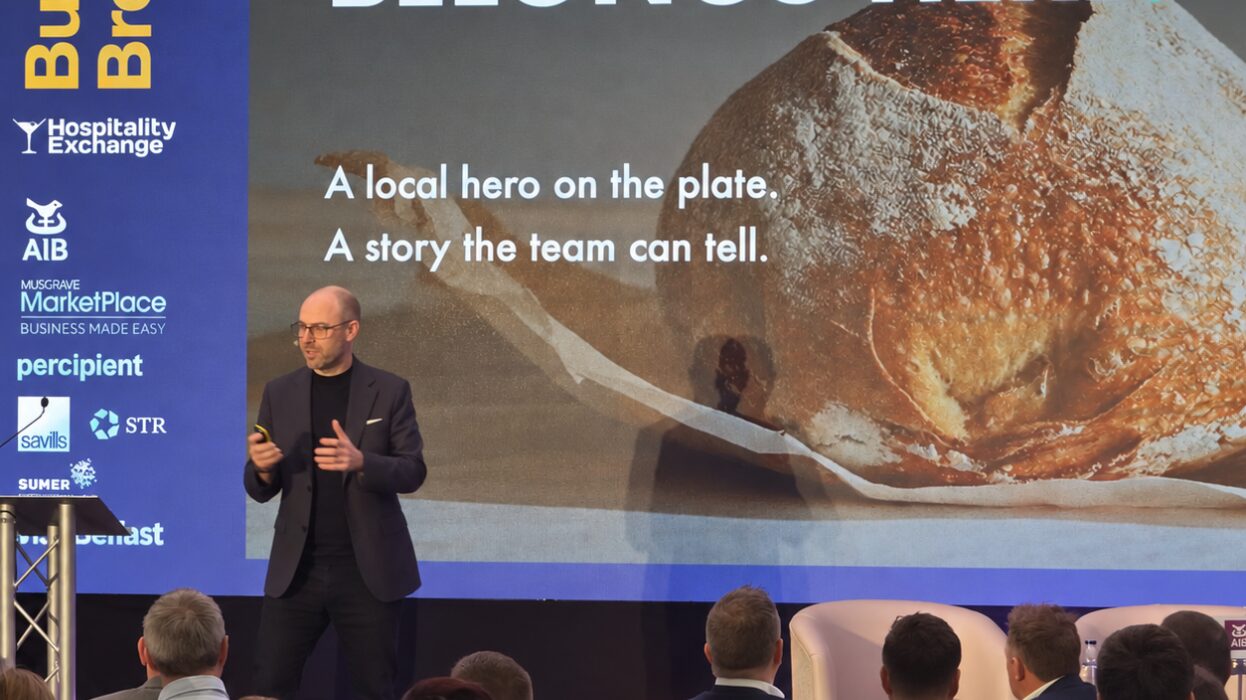
Scot Turner delivering Auden’s hotel breakfast keynote at Hospitality Exchange 2026.
Same morning. Different expectations.
A business guest with twenty minutes to spare wants a great coffee, made like his favourite coffee house back home, paired with a fresh, buttery croissant to fuel them through an early meeting. They want breakfast that fits their morning schedule without watching the clock in a queue.
A family on a weekend break wants to settle in and fill up before a day exploring. The children are excited by a stack of pancakes smothered in maple syrup. The parents want their usual coffee and a few minutes to enjoy it.
An early departure wants something easy to carry, a breakfast worth opening on the train, and a couple enjoying a lie-in might want breakfast in bed, with no hurry to get dressed.
But why does this matter?
If everyone has to buy the same buffet at the same price within the same service window, guests who aren’t being served will usually find a better fit elsewhere, outside your hotel.
Identify the right occasion and the decisions become clearer. What goes on the menu. What guests pay for. How the team gets it to them while it is still at its best. It is this change in mindset that can help you challenge the breakfast you are currently serving.
At Auden, when we are working on our strategy projects, we do this by mapping out occasions. Using this simple quadrant below, we can visualise what occasions we need to serve and how. This simple chart then guides how we build the concepts. Does the main dining room format need to change on weekdays versus weekends? Do we need to think about grab-and-go coffee? Do we have an opportunity to create a coffee spot? Do we need to think about packaging in the branding brief?
Think of this like the centre of a wheel, and coming from each circle is a spoke, that spoke has an action at the end. Those actions are what we take into the concept phase.
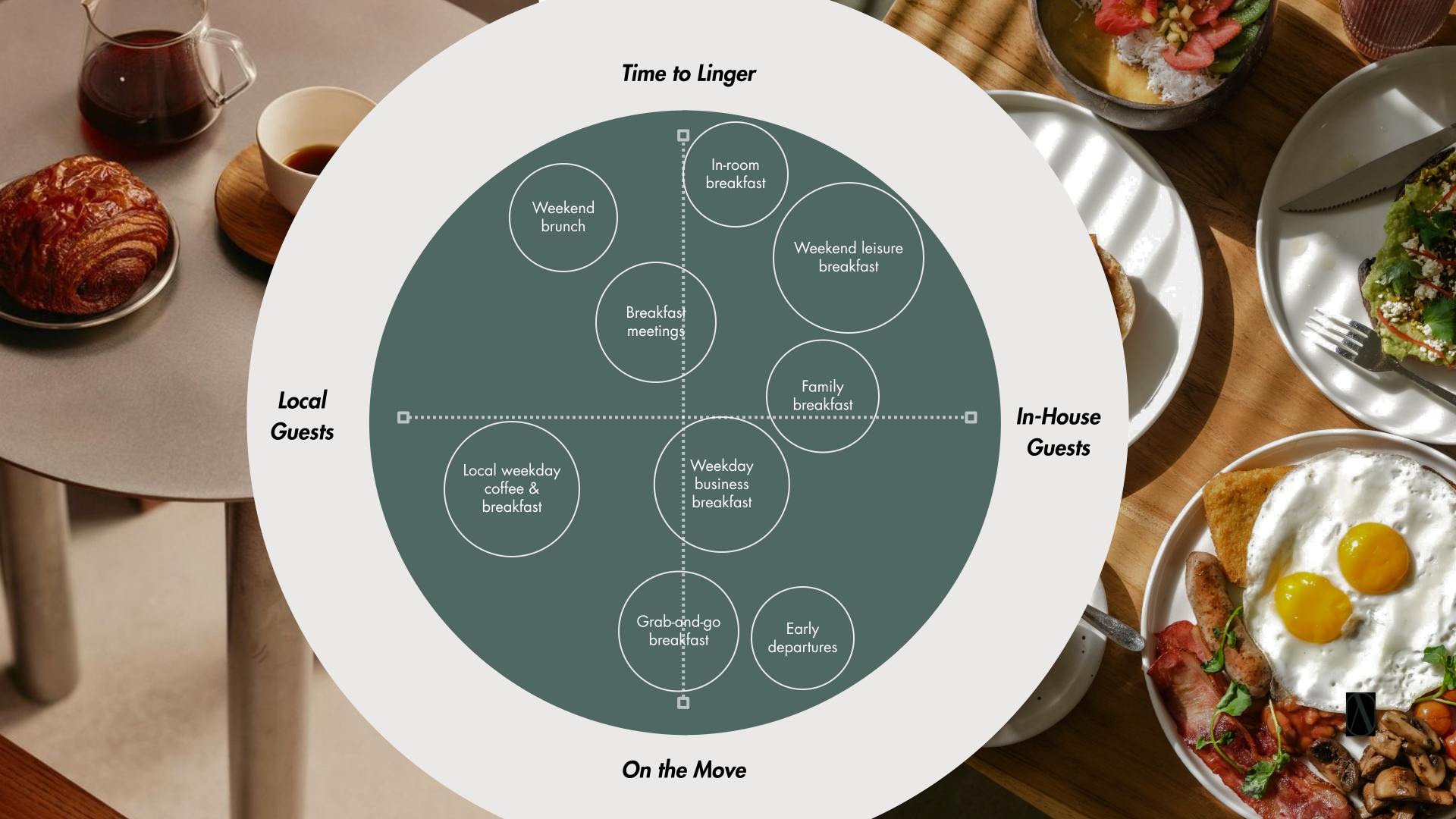
Bubble size indicates estimated weekly demand. Position shows guest origin and the pace of the occasion.
The benchmark has moved.
The breakfast buffet has looked much the same for decades. Rows of hot dishes. Baskets of beige pastries. A display that uses size, not quality, to sell its value.
But look at where people choose to spend their mornings.
Friends catching up over brunch. A Saturday coffee followed by a second, because nobody is in a rush. A bakery people will cross town for, where the croissants are made with love, and the bread sells out before the 10am rush.
Breakfast has become a social occasion, a meal that runs well beyond the morning, and, in many cases, replaced the desire to meet later. It’s why we are seeing the surge of successful neighbourhood spots that close at 4pm.
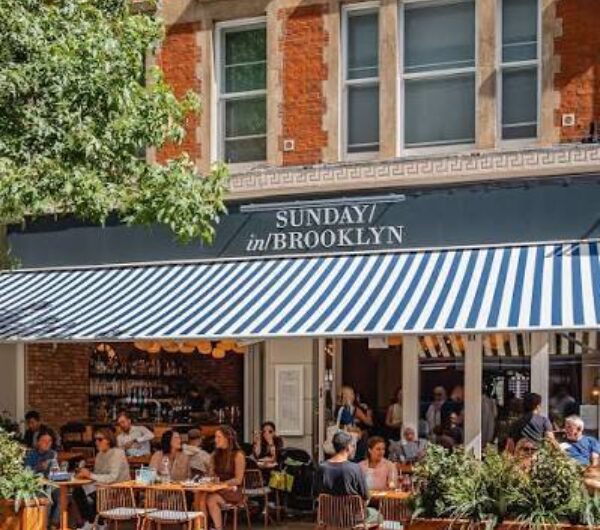
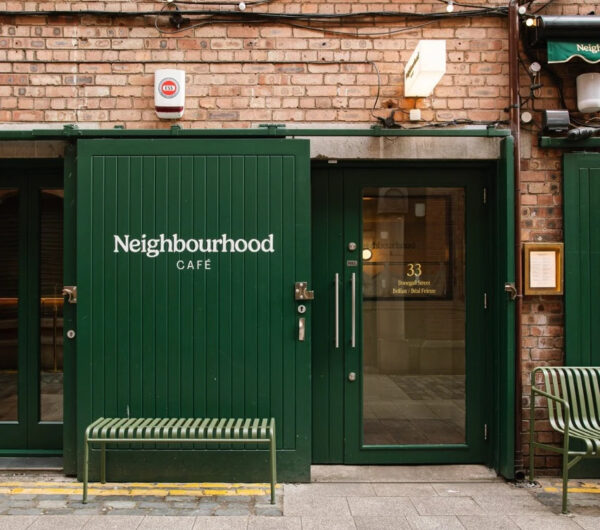
Sunday in Brooklyn, Notting Hill | Neighbourhood Cafe, Belfast
The spots are now setting the benchmark for breakfast, and guests are bringing those expectations through your front door and don’t care about whether your chef has the right allocation or not.
They recognise a well-made coffee. They notice the difference between a freshly replenished pastry and one that has sat on display since seven; they understand that liquid eggs and fresh eggs look and taste different.
They aren’t fooled by big buffets.
In the US, hotel research published by Questex and Datassential in 2026 reported that 72% of respondents described good value as the right balance of price and quality. Only 7% equated it with the lowest price.
It’s a wakeup call that big isn’t always beautiful.
A smaller buffet has to earn its place.
We need to start seeing smaller, more focused buffets, but we have to do this properly and strategically.
Removing items can make commercial sense. But the guest needs to see what improved.
Better coffee. Bread with a crisp crust, ready to cut. Eggs arriving freshly cooked. A smaller display that stays fresh throughout the morning.
Our 2025 F&B Report research shows the most commercially sound format is a cold buffet with cooked-to-order hot items. This is the most obvious place to begin: remove the hot buffet and introduce a small and focused cooked-to-order menu.
The cooked breakfast.
Eggs your way
Porridge, overnight oats
Pancakes
When operators tell us they reduced their buffet and received complaints, we ask what changed beyond the number of items.
If the answer is nothing, guests received less for the same money.
If the guest only notices what disappeared, we haven’t improved breakfast.
Look at what goes untouched. Look at what the team throws away. Then consider whether some of that spending could improve the things guests actually come for. Removing items and reducing food waste gives you an opportunity to improve the quality elsewhere; changing the breakfast buffet can’t be seen as a cost-cutting exercise if the rest of the offer doesn’t stack up from a quality perspective.
Quality is in the last croissant, too.
A beautiful breakfast photograph means little if the guest arriving at nine-thirty finds curled cheese, stewed coffee and beans drying under the lights.
Good frozen bakery products can work well. Bake them properly, replenish in smaller batches, and present them in a way that shows the care behind them. A warm croissant with delicate layers deserves more than being piled into an overflowing basket.
Saying that, you can’t beat a fresh croissant straight from the oven. Whether you bake in-house or partner with a local baker, nothing beats that baked-in-the-morning feeling. It may not always be an option, but on the projects we work on, this is always our first option.
Coffee deserves the same attention. Better beans need the right recipe, a well-maintained machine and someone checking what ends up in the cup. Milk that’s frothed the right way, at the right temperature and offer choice of milk (at no extra cost!).
At Hospitality Exchange, we used Northern Ireland as one example: 82% of consumers who ate out considered food quality when deciding where to go. While this statistic covers eating out generally, breakfast is no different, the benchmarks in the high street prove that point.
We are proud that our team is grounded in operational reality, and while some changes reflect shifts in behaviour and mindset, we also know the idea has to survive the busy service, the staffing rota, and the cost of delivering it, but this doesn’t mean that the points in this article aren’t deliverable, they are. We have implemented smaller buffets in a number of projects, including The Manor House at Foxhills and guests have responded positively.
Breakfast struck exactly the right balance: a small but carefully chosen hot menu alongside a generous open buffet. Nothing excessive, everything perfect.
Give guests room to make it theirs
Picture a thick, creamy yoghurt with a spoonful of sharp berry compote. Add crunchy granola, toasted seeds or fresh fruit, and each guest can build the bowl they fancy.
A focused set of ingredients creates plenty of choice.
The team can prepare a few ingredients well and keep them fresh. Guests get to follow their appetite. Keep the labels clear so they know what they are choosing.
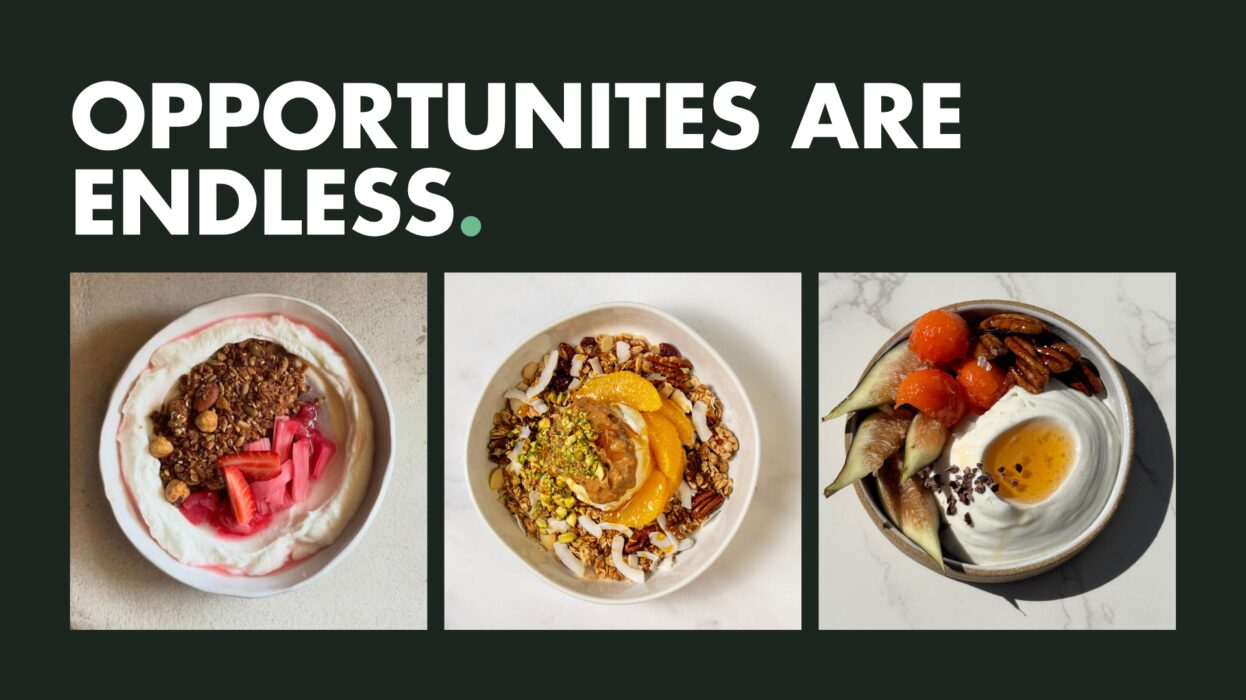
There is room to keep it interesting, too. Apple compote one week. Fresh blueberries another. Something seasonal that gives a guest staying several nights a reason to look again. Variety creates value. Finish this with honey, nut butters and syrups and you have simplicity at its best.
Give the guest a sense of place.
At Newforge House in Magheralin, breakfast connects guests to the surroundings. Eggs come from chickens living in the orchard. Fruit becomes preserves. Moyallon supplies the dry-cured bacon, and the sausages come from Madden’s, the Lurgan butcher.
Make those details visible. Give the team something they can talk about naturally. Put the story where someone choosing a hotel can find it.
A guest cannot value a detail they never discover.
A little curiosity can stay with a guest for years.
During a family stay at The Lisboans in Lisbon, Scot left a tote bag on the apartment door each evening.
At eight o’clock the following morning, it returned with juice, local bread, cakes and jam. The contents changed each day. His children waited for the sound at the door, eager to discover what breakfast had brought.
Years later, they still ask whether the next hotel will do breakfast like that.
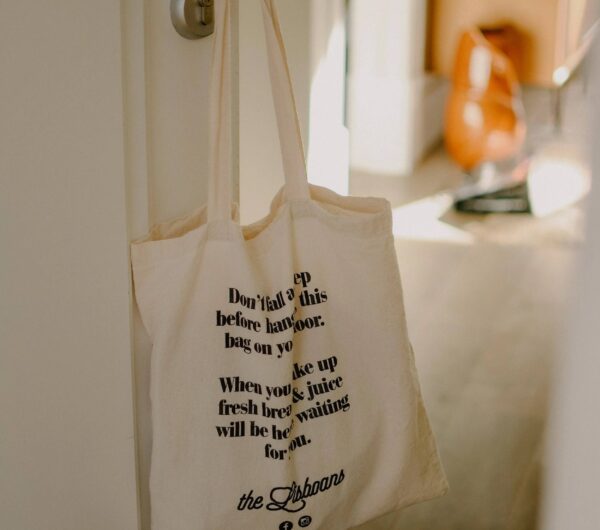
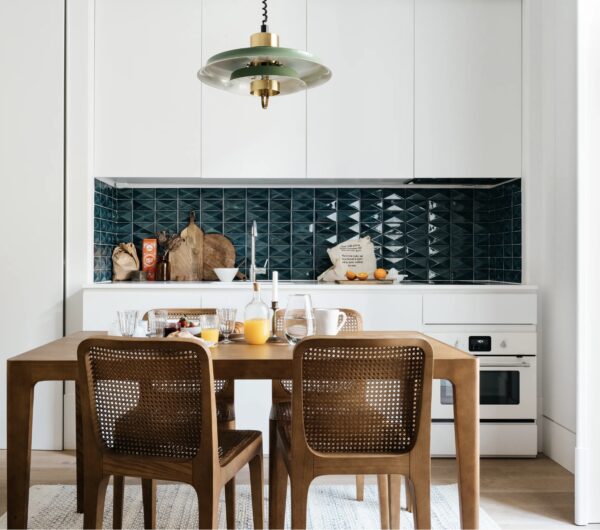
The bag became a morning ritual. The children knew it was coming. They just did not know what would be inside.
That is the opportunity to explore in your own hotel. A signature dish. An unexpected way to serve something familiar. A departure breakfast that feels like someone thought about the journey ahead.
What occasion are you serving?
Start with one occasion your hotel could make better.
Make quality obvious. Give guests a way to personalise it. Tell a local story. Find a detail that sparks curiosity.
Then measure what changes. Are more guests buying breakfast? Is less food going to waste? Are guests mentioning it in their feedback? Does the additional trade contribute profit after labour and delivery costs?
At Auden, our hotel food and beverage strategy starts with the people you want to serve. Then we work through what they will buy and how your team can deliver it, with the numbers making sense.
If your breakfast needs a clearer direction, let’s talk about who you want to serve better and what is getting in the way.
Give people a breakfast they look forward to. Give the team a clear reason for every decision.
What occasion are you serving?
More of what we’re talking about.